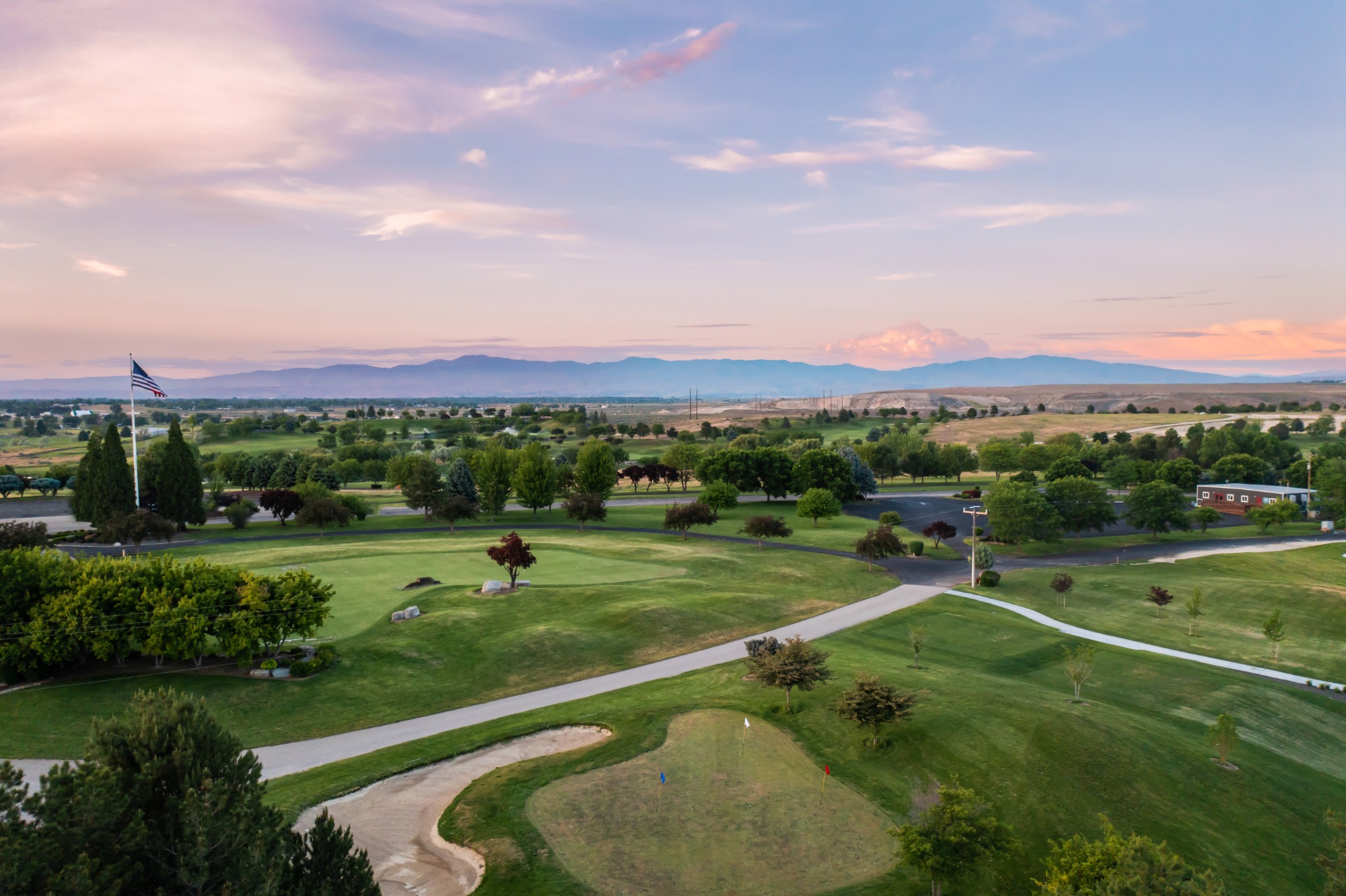
Think valley, not just Boise.
The Treasure Valley is a collection of cities, towns, and neighborhoods across southwest Idaho. Boise gives the region its name recognition, but a move to Eagle, Meridian, Kuna, Star, Nampa, or Caldwell can mean a very different daily rhythm. The right choice depends on an actual address and an actual route, not a city label.
Boise and Meridian sit in Ada County. Nampa and Caldwell are in Canyon County. Eagle, Kuna, and Star are among the communities many movers compare alongside them. Boundaries, school assignments, taxes, utility providers, and even commute patterns can change within a short drive.
What are the three places you will visit most often in a normal week? Put those on a map before looking at listings. Your commute, errands, and favorite way to spend a Saturday will tell you more than a “best places to live” list.
I’ve called the Boise area home for more than 25 years. The biggest surprise for many people moving here is how much the experience changes from one side of the valley to another.
Six places. Six different starting points.
These are orientation notes, not rankings. A neighborhood visit will tell you more than any citywide average, and there are pockets within every city that feel distinct.
Boise
Start here if an established street grid, downtown access, foothill trailheads, or the river matter to you. Homes range from older neighborhoods to new development.
Eagle
Compare its older core, foothill neighborhoods, and newer communities separately. Lot setting and proximity to the destinations you use can matter more than the Eagle mailing address.
Meridian
A practical middle-of-the-valley search for many movers, with a broad mix of established areas and recent construction. Its size means one part can feel quite unlike another.
Kuna & Star
Consider these when a newer neighborhood or a different edge-of-valley setting appeals. Both have grown, so distinguish today’s shops and roads from future plans.
Nampa
A substantial city in its own right, with a historic center, newer neighborhoods, and access to the western side of the valley. Compare neighborhoods by daily route.
Caldwell
Explore both its downtown and growing residential areas. The city has changed quickly, and the experience differs considerably by neighborhood and commute.
Scale check: the Census Bureau’s July 2025 city estimates were Boise 238,429; Meridian 142,988; Nampa 120,384; Caldwell 76,629; and Eagle 34,658. These describe city populations, not the population of the whole metro area. Sources below.
Pick two or three areas that fit your routes and priorities. Walk a neighborhood, buy coffee nearby, and return in the evening. A 15-minute tour of a staged model cannot show you what a Tuesday will feel like.
The price tag is only the first line.
In August 2026, the median closed price for Ada County single-family homes was $595,000. The median was $579,900 for resale and $629,000 for new construction. These are medians of homes that sold that month, not prices for comparable homes, and they do not tell you what a specific neighborhood or floor plan costs.
| Category | Median price | Closed sales | What to remember |
|---|---|---|---|
| All homes | $595,000 | 955 | A countywide midpoint |
| Resale | $579,900 | 658 | Condition and age vary |
| New construction | $629,000 | 297 | Features and incentives vary |
Source: Boise Regional REALTORS, August 2026 Ada County market stat sheet; Intermountain MLS data as of September 9, 2026. Figures represent reported transactions, not every home in the region. Canyon County is not included.
Your own monthly number will also reflect financing, property taxes, insurance, utilities, any HOA dues, and what the home needs after closing. In a new community, ask whether landscaping, fencing, window coverings, appliances, and amenities are included or separate. A lower list price can look different once you compare the full package.
For each finalist, request a written estimate of cash to close and monthly payment using the same down payment and loan assumptions. Ask for the HOA documents, estimated taxes, insurance quote, and an itemized list of what is included. Builder incentives can depend on the home, lender, and contract date.
Idaho’s homeowner’s exemption may reduce the taxable value of an eligible owner-occupied primary residence by 50%, capped at $125,000. It is a reduction in taxable value, not a $125,000 reduction in the tax bill. Apply through the county assessor and verify eligibility for your home.
The part the listing photos cannot show.
Boise’s Greenbelt follows the river for nearly 25 miles. Trails, river paths, and foothill access are part of the appeal, though your favorite access point depends on where you live.
BOI currently lists 29 nonstop destinations. Some are seasonal or announced for future start dates, so check the airport’s live route list before planning around a particular flight.
Expect hot, dry stretches in summer and colder, grayer periods in winter. Weather, air quality, and roads vary by season; a trip in only one month is a partial picture.
There are tradeoffs. A foothill setting can feel wonderfully open while adding distance to errands. A new neighborhood can offer fresh infrastructure and amenities, while landscaping and nearby construction may still be in progress. A bigger yard may bring irrigation questions. An RV bay, extra-deep garage, or covered patio may matter more to your routine than a fourth bedroom.
Try the real-life test: visit your likely grocery store, drive the route to work or frequent appointments, and spend an evening near the home. If you are relocating with a pet, school-age children, or someone with accessibility needs, make those practical checks part of the first visit rather than the last.
The Idaho you actually live in.
Idaho is the Gem State, and yes, the potato is its official state vegetable. A first weekend here can show you the things that make southwest Idaho feel like itself: a river through the capital, foothill trails, a lively downtown calendar, and a high-desert wine region.
Boise’s downtown brings local shops, galleries, live music, and neighborhood gatherings together in a compact core. You can make a night of it, then be back on a river path or foothill trail the next morning.
The Sunnyslope Wine Trail near Caldwell belongs to the Snake River Valley wine region. Make an afternoon of a tasting, but check hours and arrange a driver if needed.
In season, the popular Boise River float runs roughly six miles from Barber Park to Ann Morrison Park. Bogus Basin offers mountain recreation about 16 miles north of Boise.
Treefort Music Fest brings music, film, comedy, and other creative events into downtown Boise each spring. The Boise Farmers Market is another easy way to meet the region’s growers. The appeal here is the mix: a trail in the morning, a gathering downtown at night, and a city that still feels connected to the land around it.
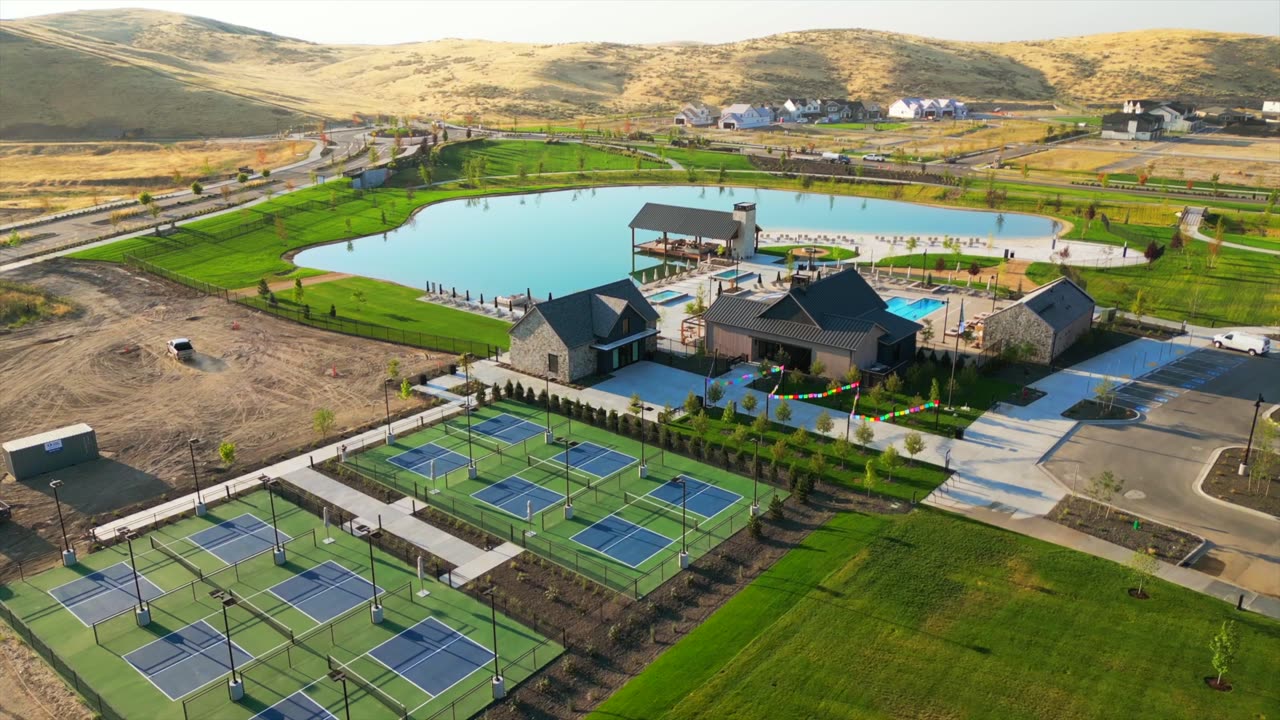
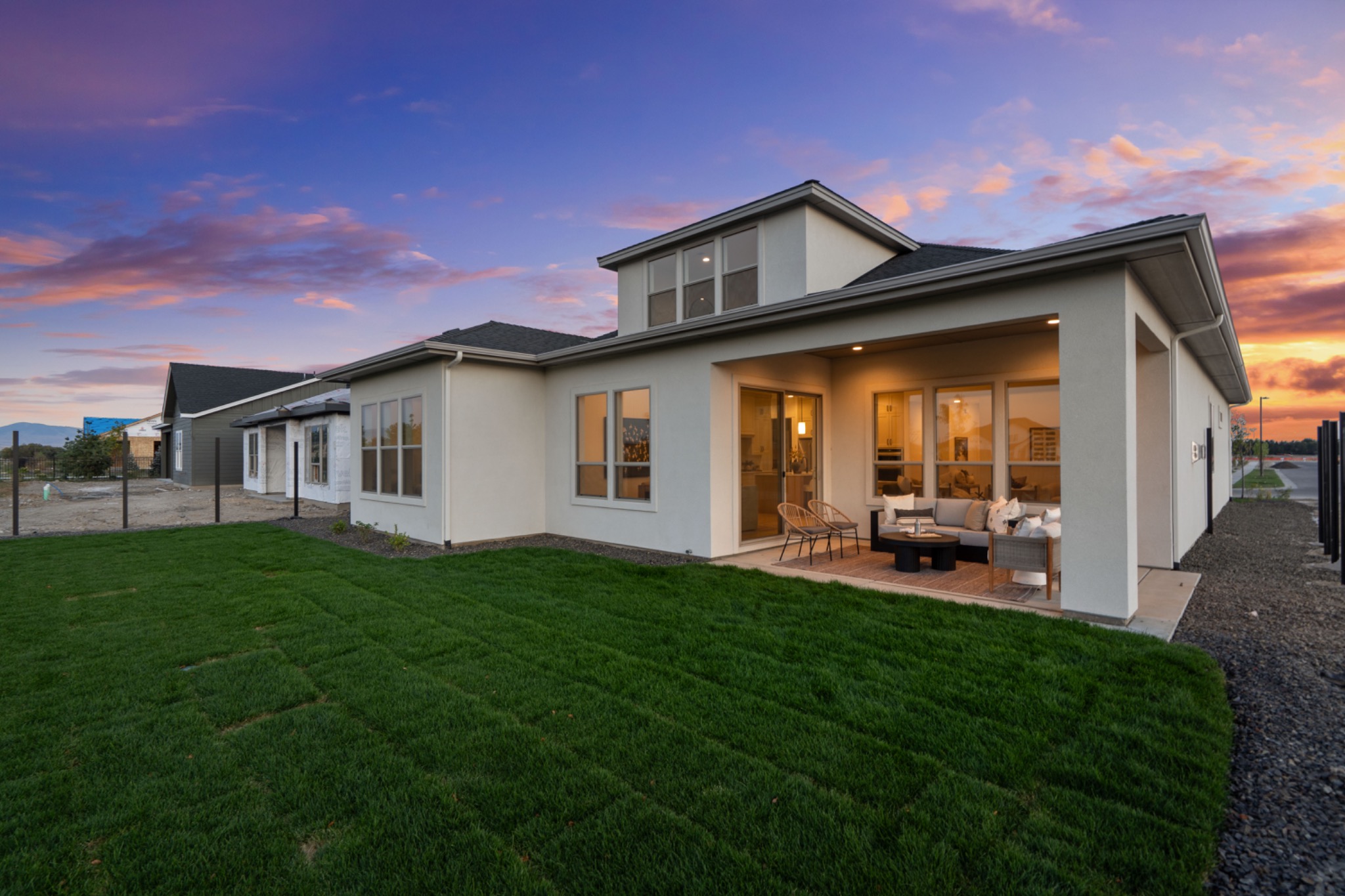
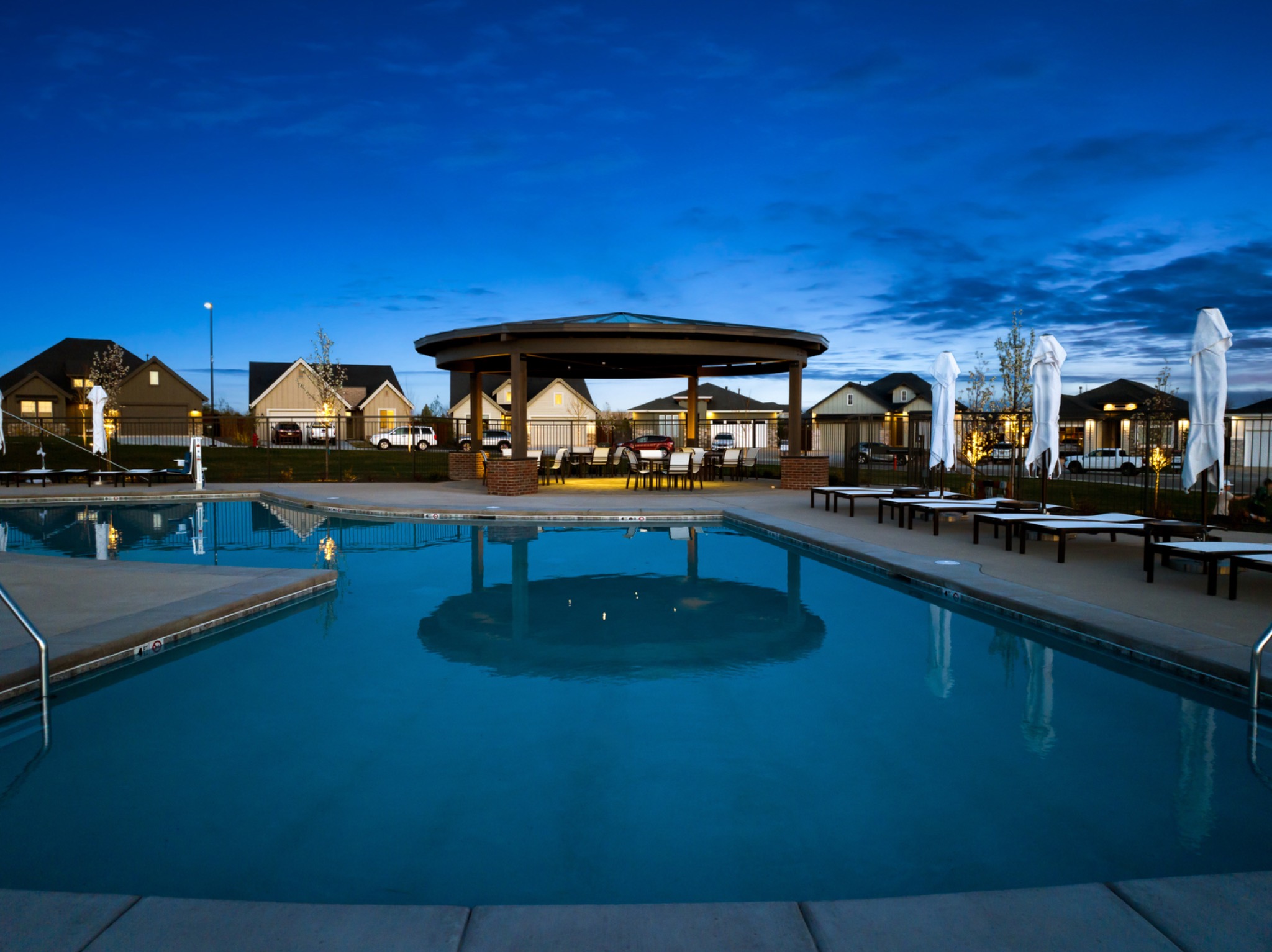
Photographs show specific homes and communities, not every neighborhood. For local stops, see the Idaho Wine Commission, Treefort, and Boise Farmers Market.
Why people picture a life here
More than a change of address.
The Greenbelt and foothills can be part of a weekday, with river, mountain, and lake trips for the weekend. Choose a home around the access you will actually use.
The Treasure Valley offers different ways to settle in. You might want a Boise neighborhood with an easy downtown routine, a home near Eagle’s foothills, or more breathing room farther west. Compare those choices against your usual errands, commute, and weekend habits; the right setting makes a normal Tuesday feel easier.
Idaho is much more than potatoes: the state agriculture department counts roughly 25,000 farms and ranches producing more than 185 commodities. In the Treasure Valley, seasonal markets, farm stands, growers, and food makers make the farm-to-table story something you can shop, cook, and taste.
Sources: Idaho Department of Agriculture. For local food, explore Idaho Preferred’s farmers market directory. Compare locations against your own daily routes and priorities.
Outside, by design
A different kind of calendar.
Some places offer outdoor recreation as a weekend escape. In southwest Idaho, it can shape the way you choose a neighborhood, store your gear, and spend an ordinary afternoon. The options change with the season and the address, so think about the activities you would actually do each week.
Foothill hiking and mountain biking are central to the community’s identity. Its published network exceeds 100 miles across the Eagle foothills.
In Eagle’s foothills, the 2.5-acre recreation lake is already here for paddleboarding, with a beach nearby. Glencara Recreation Village, indoor and outdoor pools, pickleball, a fitness center, greenways, and foothill trails make outdoor time part of the neighborhood rhythm.
Kuna’s golf community is built around 36 holes: Falcon Crest’s championship 18, the Freedom nine, and the Cadet par-three. The pro shop and Valor Grille serve golfers now; the new Valor Club plans add a restaurant and bar, a swim-up bar experience, pools, golf simulators, fitness, and pickleball.
Community details: Avimor trails, Valnova, and Valor Club.
The wider Idaho weekend
Three escapes worth knowing before you move.
Living in the Treasure Valley puts very different landscapes within reach. McCall and Sun Valley make natural long weekends; Coeur d’Alene is a trip to plan for, farther north. These places are part of Idaho’s appeal, but they are separate destinations rather than everyday Boise amenities.
Drive times are approximate from Boise and vary with your starting address, weather, traffic, and season. Explore Visit Idaho’s regional map and check Idaho 511 before mountain travel.
Picture the everyday version too: a walk on the Greenbelt, a foothill trail after work, a patio that catches evening light, space for bikes or skis, and a route to the places you will actually use. Ask about shade, irrigation, storage, and garage depth as carefully as you ask about the kitchen.
New construction gives you options. Know which kind.
There are three common paths, and each solves a different timing problem:
Tour the actual home, finishes, light, and lot. Ask about closing timing, warranty, and what remains to be completed.
See the plan and location now. Confirm the estimated completion range and which design choices are already locked.
Choose a plan and site with more decisions ahead. Get written clarity on selections, deposit, allowances, and construction milestones.
A model is an excellent way to understand room flow. It is also a carefully curated example. Ask which ceilings, cabinets, appliances, patio details, and landscaping are included in the home you would actually buy. If a homesite has a view today, ask what can be built on the surrounding land.
If you are moving from out of state, I can make a first visit more useful by grouping communities around your priorities and showing you the actual floor plans and written feature lists. For a deeper comparison, read my new construction buyer guide.
A scouting weekend that tells you something.
Do not try to see twelve homes in one afternoon. Give each area time to make an impression. This is a starting itinerary, not a fixed driving schedule; we would tailor the stops to your shortlist.
Share your budget, preferred move date, top three must-haves, and the addresses you will travel to most. I will narrow the route to homes and communities that genuinely fit.
Get oriented in Boise. Walk or dine in an area you might actually visit on a regular weekend. Notice how the city feels after work hours.
Tour two contrasting areas, perhaps Boise and Eagle or Eagle and Meridian. See one completed home and one model or under-construction home. Revisit your favorite area in the evening.
Explore your second cluster, such as Kuna, Star, Nampa, or Caldwell. Check the grocery-and-errands route, then compare the homes on paper: location, plan, all-in costs, and timing.
Leave with a shortlist and the missing documents to request, not a rushed decision. The right next step might be a second visit, a virtual walk-through, or a lender conversation.
The checklist after you fall in love.
Before you commit
- Test the commute at the time you would drive it.
- Confirm school boundaries directly with the district for the specific address; boundaries can change.
- Get a property-specific insurance quote and review flood or other site-specific risks.
- Read HOA rules, fees, and what amenities are operating now.
- Compare lender estimates with matching assumptions.
Before move-in
- Confirm utility and internet providers for the address.
- Keep your final walkthrough, warranty, and contact details together.
- Update licensing and vehicle registration requirements with Idaho’s DMV; verify current deadlines directly.
- Bookmark Idaho 511 for weather-related road conditions.
- Give yourself time to learn the neighborhood in more than one season.
Useful official tools: FEMA Flood Map Service Center, Idaho DMV’s new resident guide, and your local school district’s boundary map. A mapped designation is one input; ask your insurer and relevant professionals about the specific property.
Five questions worth asking before “we could live here.”
- What does a normal Tuesday look like from this address? Map work, errands, activities, and airport trips.
- What will the surrounding area look like later? Distinguish approved projects from ideas and future amenities from open ones.
- What is the full monthly cost? Include taxes, insurance, HOA, utilities, and a realistic maintenance budget.
- What exactly am I buying? Match the model, photos, written features, and contract to the actual home.
- Does the timing fit my life? A construction estimate is a range; make a plan for a delayed move.
Tell me how you want to live here. I will help you compare the places, floor plans, and actual homes that fit, and tell you when a beautiful house is in the wrong spot for your routine.